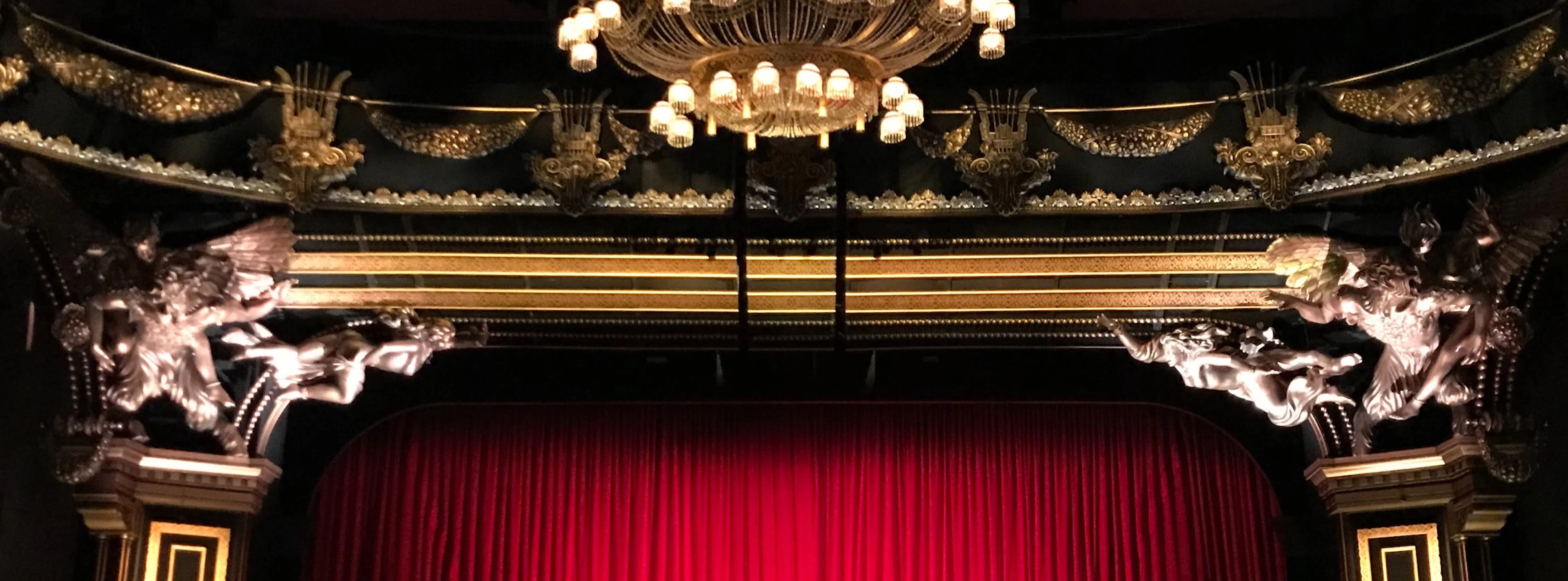
About Apolo Theater
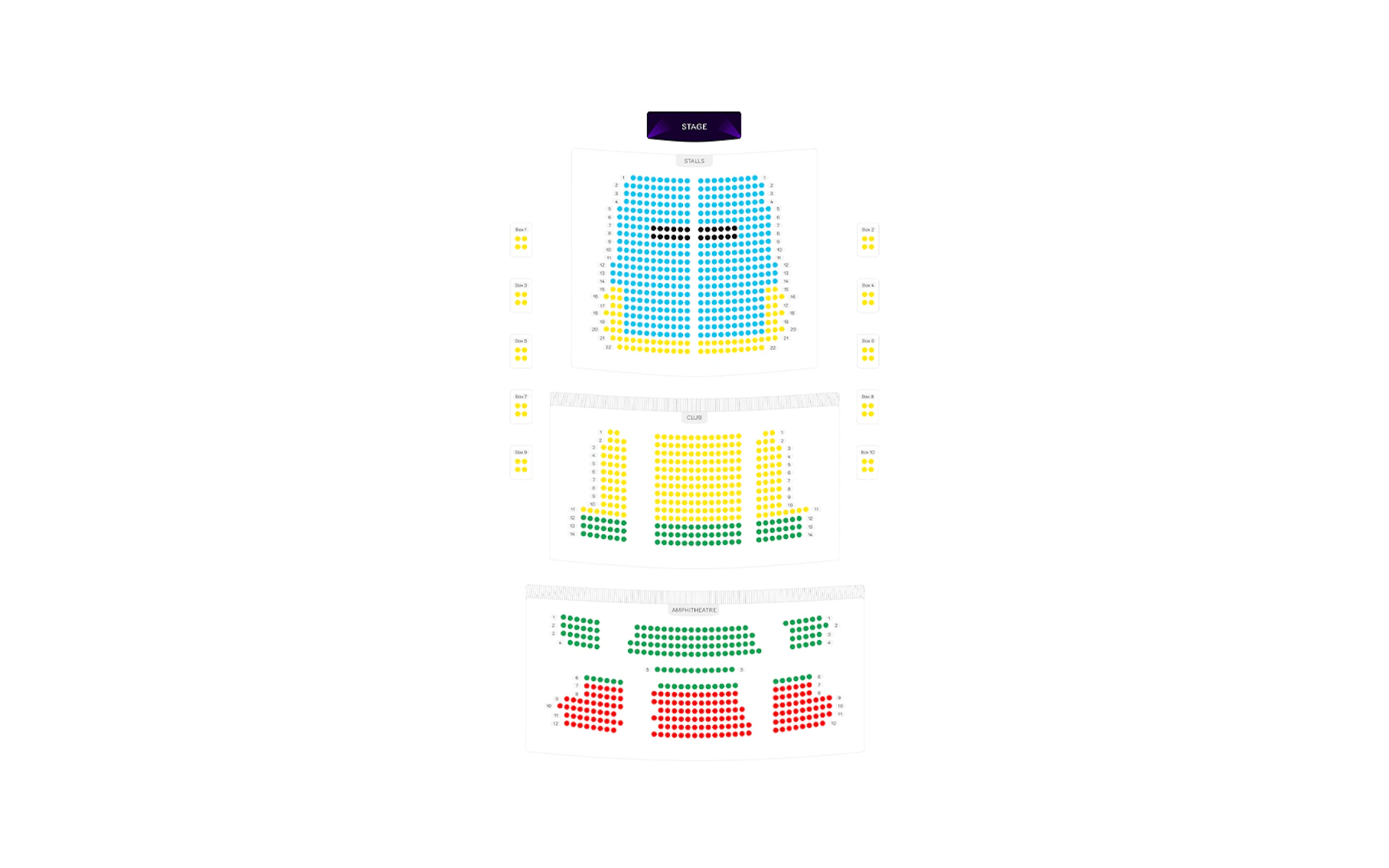
- The theater space seats approximately 1100 patrons.
- Seating is divided into three sections - a ground-level Orchestra, a Mezzanine at the first level, boxes on the side, and an Amphitheater at the highest level.
- Most patrons prefer the Orchestra for the direct access it offers to the stage, however, the Mezzanine is a great option on a budget, providing a panoramic view of the performance.
- The boxes allow an uninterrupted view from the side, with the added benefit of privacy.
- Although the amphitheater seating is quite high, with an angled view of the stage, the floor plan allows a decent sightline from nearly every seat.
New Apolo Theater seating plan >
Although the current space has been functional since 1932, Apolo Theater was first opened in Madrid in 1873, seating as many as 2500 spectators, and became a prominent hotspot for ‘género chico’ - a unique trend of one-act performances that debuted in Spain. The space closed its doors in 1929, after which the owners created the ‘Theater of Progress’ closer to the city center. Architects Urosa and Saavedra Fajardo constructed the current theater premises, nodding to its storied history. Finally, in 1987, it came to be known as the New Apolo Theater again and continues to host widely loved performances of many diverse genres.
- Style: The architects of the new theater designed it with inspiration from baroque and art-deco architecture, visible in the salient features of its construction.
- Interior: Beautifully symmetrical geometric lines and ornamental patterns in black accentuate the cream background of the large entrance hall. Every element, from the carefully constructed stairs to the simple arches and a decorated ceiling, pays homage to the art-deco movement.
- Notable Features: The main theater area is constructed with seats lined around the stage in a unique rounded-rectangular fashion. The mezzanine floor is decorated with an intricately carved low-relief railing, customized to represent the art of zarzuela.
- Los Miserables (1994)
- El Medico or The Doctor (2020)
- Nothing is Impossible Broadway Edition (2021)
- Chicago (2023)
Know before you go
- Address: Pl. de Tirso de Molina, 1, Centro, 28012 Madrid, Spain
- Bus: Patrons can use the32, 002, 6, 26, 50, 65, and M1 buses to drop off at stations near the theater.
- Metro: The Tirso de Molina, Antón Martín, and Sol stations connect the venue to other parts of the city through the L1, L2, and L3 lines.
- Bike: Owing to the central location, several public bike docking stations are available at walking distance from the theater.
- Train: Patrons can also get to the Sol station by train, which is serviced by C3 and C4 lines.
- Recommended route: The metro offers the cheapest route to the theater with no disruptions.
- Food and beverage: Stands on the ground floor are available to serve snacks and drinks for all arriving patrons. A dedicated cafeteria is also available on the Mezzanine floor.
- Intermission: Shows typically run for 2 hours & 30 minutes, with rest.
- Parking: Patrons can drive to the venue in personal cars and park in public garages like Garaje Centro on C/Relatores 11 and the parking lot on C/Doctor Cortez, 10.
- Ramps & elevators: Disability ramps are available to assist patrons with limited mobility. The theater does not have an elevator.
- Accessible seating: Multiple options depending on the needs of the patrons are available across the theater floor. Designated wheelchair-accessible seating can also be booked in advance at the Orchestra floor.
- Ticketing: Buy tickets before time to avoid losing out on good seats. The theater often runs large productions which are sold out several days in advance.
- Photography: Plan to arrive early if you’d like to click images of the beautiful theater space. Photography and videography are prohibited during the performances.
- Food and beverage: Snacks bought at the theater cafeteria are permitted inside the premises. Patrons should avoid carrying smelly and noisy items to avoid causing discomfort to others.
- Age restriction: Check the information pages of the shows running in the theater to check the recommended age before booking. Children below 4 years of age are not permitted to enter the theater out of respect for other patrons.
- Taberna Tirso de Molina: A typical Spanish tavern, serving happy customers with market-fresh ingredients for over 40 years, in the heart of Madrid.
Directions to Taberna Tirso de Molina - Moharaj: The best curries and flavourful spices from India’s diverse cuisine, served in a cozy space in the Spanish capital.
Directions to Moharaj - Bresca: An elegant, rustic interior serving hearty Italian meals and a variety of gluten-free options. Book online to reserve seats in advance and enjoy the delicacies.
Directions to Bresca - Bar Melo's Lavapiés: A casual and simple cafe renowned for its Galician tapas and zapatilla sandwiches enjoyed with house-made wine.
Directions to Bar Melo's Lavapiés - Café del Art: A widely loved pet-friendly cafe, serving delicious coffees and bread in their chic interior - with exposed brick walls and plenty of greens.
Directions to Café del Art
Frequently asked questions about New Apolo Theater
The New Apolo Theater has been fully functional for 92 years, since 1932.
The New Apolo Theater is at Tirso de Molina Square in Madrid.
The theater floor seats approximately 1100 patrons across 4 sections.
No, patrons can choose to wear comfortable or dressy attires as per the weather and occasion.
Patrons can get admission by showing tickets on their mobile phones or electronic devices. Please avoid printing any information or tickets when arriving at the theater.
No, Patrons can use recording devices before and after the show but photography and videography are not permitted during performances.
The recommended age for bringing children is over 6 years, however, any children below 4 years of age are not allowed inside the premises out of respect for other patrons.
The design of the theater ensures all seats have uninterrupted sightlines, however, amphitheater seats are generally priced at the lower end due to the angled view.